

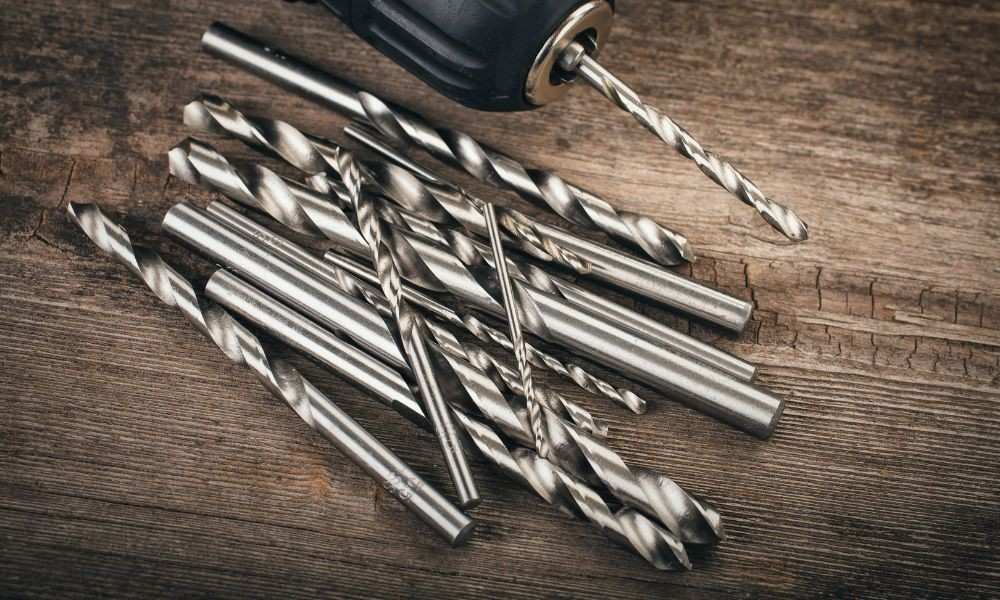
Precision machining depends on consistency. When a cutting edge starts to degrade, the impact is rarely immediate, but it is measurable. For operations relying on carbide cutting tools in Florida, early detection of dulling is one of the most practical ways to protect uptime, maintain part quality, and avoid unnecessary strain on critical equipment.
Carbide tooling does not typically fail without warning. Wear develops gradually, and the earliest indicators often show up in subtle shifts in accuracy, vibration, surface finish, and energy use. When these signals are recognized early, teams can replace tools proactively rather than reactively, reducing scrap, stabilizing cycle times, and limiting disruption to production schedules. This approach also protects spindles, holders, and drives from the stress created when dull tooling forces machines to work harder than necessary.
Declining Cutting Precision
The first indicator of tool dulling is typically a loss of dimensional control. What begins as a slight variation can compound quickly across runs, especially in tight-tolerance work.
- Dimensional drift: Edge wear leads to tolerance deviation, and parts begin falling outside specification limits.
- Edge degradation: Micro-chipping or micro-fractures reduce cutting stability and increase friction at the interface.
- Surface finish inconsistency: As sharpness declines, surface quality drops, and visible imperfections become more frequent.
- Audible warnings: Whining, chattering, or rattling during operation can point to insert instability, seating issues, or edge wear.
- Tolerance instability: Frequent offset adjustments to maintain size often signal that the cutting edge is deteriorating.
Unchecked precision loss raises inspection overhead and scrap exposure. It can also create downstream quality problems when parts move to secondary operations or assembly.
Increased Vibration and Noise
Dulling carbide cutting tools often changes machine behavior before they fully fail. In many shops, vibration and noise are early indicators that the cut is no longer stable.
- Elevated vibration: Worn geometry and weakened edge integrity increase instability, especially at higher speeds.
- Irregular sound patterns: Sharp tools produce more consistent cutting sounds. Shifts in tone, pitch, or rhythm often indicate wear.
- Chipping evidence: Minor fractures can amplify chatter and reduce cutting efficiency, increasing the risk of further edge damage.
- Tactile feedback: Operators may feel higher resistance, inconsistent engagement, or a rougher cutting action.
- Chip irregularity: Changes in chip size, curl, or color often reflect increased friction and heat from a dull edge.
Ignoring these signals can accelerate spindle wear and raise the likelihood of unplanned stoppages.
Visible Wear and Reduced Speeds
Visual inspection remains one of the most reliable safeguards against unexpected tool failure. Wear patterns provide direct evidence that the cutting edge is losing effectiveness.
- Flank wear: Polished or flattened areas along the cutting edge indicate progressive abrasion from workpiece contact.
- Notch wear: Concentrated wear near the depth-of-cut line can reduce stability and affect dimensional accuracy.
- Edge chipping: Micro-cracks or chipped segments suggest high stress, impact loading, or excessive heat.
- Crater wear: Heat-induced wear along the rake face forms shallow depressions that weaken the cutting edge.
- Built-up edge: Material adhesion alters geometry, increases cutting forces, and compromises cutting consistency.
As wear progresses, operators often compensate by reducing feed rates or cutting speeds to maintain acceptable results. While this may temporarily protect quality, it reduces throughput, increases per-part cost, and can mask the underlying tooling issue until failure becomes unavoidable.
Proactive Tool Management Prevents Downtime
Monitoring vibration, surface finish, power consumption, and visual wear helps manufacturers avoid avoidable breakdowns. Replacing tools before failure protects machine components, stabilizes production, and reduces the ripple effects of scrap and rework.
Manufacturers sourcing carbide cutting tools in Florida benefit from working with established distributors who prioritize authenticity, consistent performance, and inventory reliability. Suncoast Precision Tools has supported machine shops and manufacturers since 1963, providing access to dependable tooling solutions backed by extensive stock and technical guidance that supports real-world production demands.
Explore verified carbide cutting tools designed to support long-term machining stability at: https://www.suncoasttools.com/crm/VendorPages.aspx?Vendor=Micro100
Early detection, disciplined inspection, and reliable sourcing reduce risk, protect equipment investment, and preserve operational efficiency without compromising output quality.
