

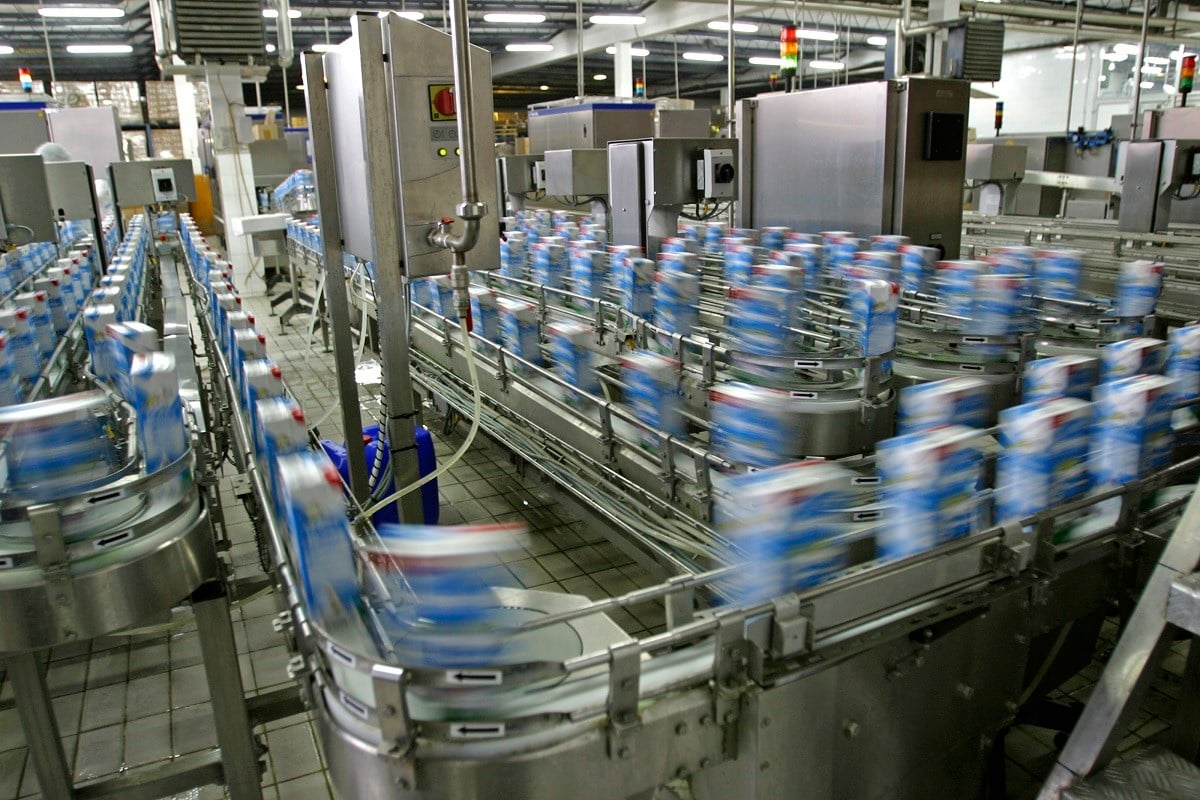
A food plant is much more than walls, floors, and machines. It is a living ecosystem where design flaws can ripple through daily operations, impacting everything from worker safety to product quality. The best industrial food plants blend engineering, workflow, and strict regulatory compliance to create facilities that don’t just function, they excel.
Overview of Food Plant Design in Industrial Projects
The stakes in food plant architecture are high. Designers must balance production speed, hygiene, equipment flexibility, and rigorous food safety standards. Unlike most industrial facilities, food plants operate under constant scrutiny, with regulators and inspectors monitoring every process and pathway.
Key Objectives and Challenges in Food Processing Facilities
Every square foot of a food plant needs to earn its keep. Designers must anticipate bottlenecks in material flow, create spaces for cleaning and maintenance, and ensure that raw and finished goods never cross paths. Add in the challenge of temperature zones, allergen control, and the ever-present risk of contamination, and the complexity grows even further.
Importance of Efficient Layout and Compliance
An efficient layout is not just about fast production, it is about safety and regulatory compliance. Careful zoning separates raw, processing, and packaging areas. Hygienic corridors and airlocks help prevent the spread of bacteria. Compliance with agencies like the CFIA or USDA is non-negotiable, making documentation and traceability essential parts of the plan.
Case Study: Canada Bread Plants
When Canada Bread set out to expand its footprint across Moncton, Québec, and Woodstock, the objectives were ambitious: improve production capacity, maximize safety, and future-proof for automation.
Project Scope and Design Goals
Each facility required seamless integration of bakery lines, cold storage, and distribution, all under tight construction schedules. Flexibility was key, allowing for quick changeovers and the integration of new product lines without major downtime.
Innovative Solutions for Production Flow
The design teams developed linear, “once-through” workflows. These ensured that ingredients, dough, baking, cooling, and packaging followed a strict progression, with dedicated zones for each. This approach minimized cross-contamination and allowed sanitation staff to focus on specific sections at set times.
Addressing Food Safety and Quality Control
Key features included easy-to-clean wall and floor materials, pressurized air systems to keep particulates out, and dedicated allergen handling areas. Regular monitoring points were built into the plant for quality assurance, so issues could be caught before they spread.
Architecture and Engineering Collaboration
Food plant projects succeed only when architects, engineers, and operators work in lockstep. Early-stage workshops helped align the vision, while Building Information Modeling (BIM) made it easier to catch conflicts between structural, mechanical, and processing needs.
Role of Stendel + Reich Architecture Inc.
As project architects, Stendel + Reich food plant architects brought deep expertise to the table. Their portfolio spans bread bakeries, meat processing, and specialized distribution hubs. By understanding both the technical demands and the business goals, they helped deliver spaces that are as practical as they are scalable.
Integrating Structural, Mechanical, and Sanitary Systems
Structural beams must avoid clashing with conveyors. Drainage systems need to anticipate washdowns and prevent standing water. The best facilities use integrated design reviews to solve these challenges before breaking ground.
Navigating Regulatory Standards and Certifications
Plants are held to strict food safety and hygiene standards. Certification processes, whether for SQF, BRC, or local codes, shape decisions at every stage, from selecting finishes to the spacing of air handling units.
Optimizing Plant Layout for Operational Efficiency
Every plant faces the challenge of moving ingredients efficiently from receiving docks to finished product storage.
Workflow Zoning: Raw Materials to Finished Goods
The most successful layouts use clear zoning, raw inputs enter one side, finished goods exit another. This reduces the risk of accidental mixing and makes food safety audits much simpler.
Equipment Placement and Automation Integration
Automated systems require careful planning for maintenance, accessibility, and future upgrades. Strategic equipment placement cuts down on unnecessary handling and allows operators to monitor multiple lines from a central control room.
Waste Management and Sustainability Practices
Modern designs prioritize waste reduction. Separate streams for organic, recyclable, and hazardous waste are the norm. Energy-efficient lighting and water-saving fixtures reduce costs and support sustainability goals.
Case Study: Maple Leaf Winnipeg Facility
The Maple Leaf Winnipeg plant set a new standard for high-volume processing.
Unique Design Features and Technological Advances
Innovative airflow systems, hands-free washrooms, and robotic palletizers made the facility cleaner and safer. Modular room designs allowed for quick expansion without shutting down the existing plant.
Lessons Learned from Plant Commissioning and Operation
Early coordination among construction, engineering, and operations teams prevented major rework. Ongoing feedback loops with employees post-commissioning helped fine-tune traffic patterns, reducing both congestion and accident risk.
Material Selection and Construction Considerations
Durability and hygiene come first. Stainless steel, seamless epoxy flooring, and sanitary wall systems are favored for their cleanability and long service life. However, these premium finishes must be balanced against budget constraints.
Durable, Hygienic Materials for Food Environments
Materials must withstand aggressive cleaning chemicals and constant moisture. Choices made during design can mean the difference between years of trouble-free operation and constant repair headaches.
Balancing Cost, Performance, and Maintenance
Smart compromises often involve using high-end finishes in critical areas while opting for more economical materials in low-risk zones. This strategy helps keep projects on budget without sacrificing key performance requirements.
Future Trends in Food Plant Design
The next generation of food plants will be smarter, more flexible, and more sustainable.
Embracing Digital Twins and Smart Facility Management
Digital twins, virtual models of the physical facility, allow operators to simulate new equipment layouts or processing changes before making costly modifications. Automation and real-time data analytics are becoming standard for predictive maintenance.
Adaptability for Product Line Changes and Expansion
Plants are now built with growth in mind. Modular walls, utility corridors, and “plug-and-play” production lines make it easier to pivot to new products or scale up capacity as market demands shift.
Conclusion: Key Takeaways from Major Industrial Food Plant Projects
Behind every high-performing food plant is a thoughtful design strategy, strong collaboration, and a relentless focus on safety and efficiency.
Best Practices for Successful Food Plant Design
– Engage stakeholders early and often
– Prioritize hygienic zoning and clear workflows
– Invest in durable, easy-to-clean materials
– Design for adaptability and future growth
Strategic Planning to Support Growth and Compliance
Industrial food facilities are under constant pressure to evolve. The lessons learned from leading projects illustrate that success depends not just on architecture, but on understanding the business, the product, and the people behind the process. Smart planning today ensures compliance, scalability, and profitability tomorrow.
