

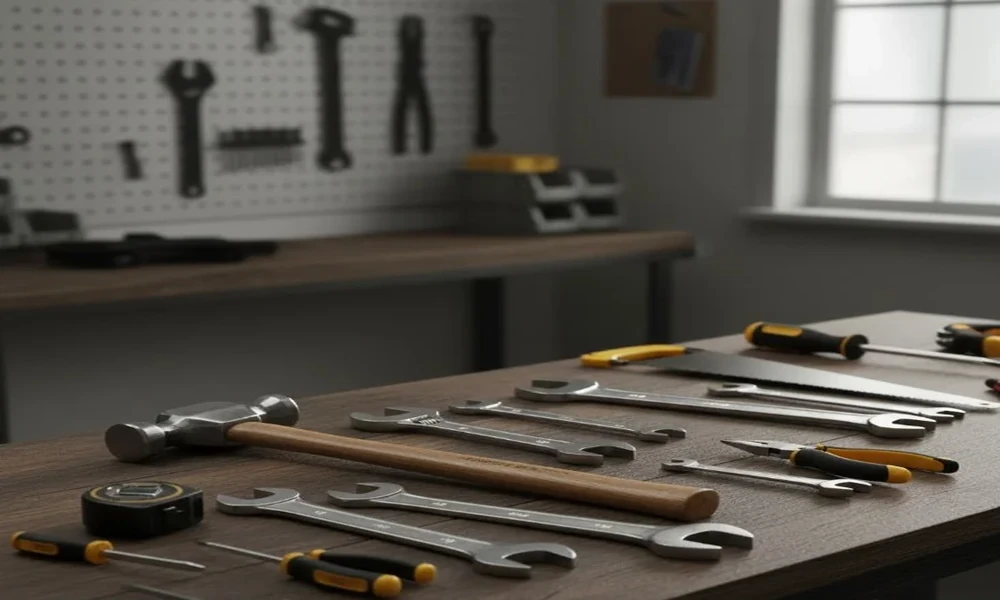
The right hand tool can transform a tedious task into a satisfying accomplishment. From shaping stone in ancient caves to assembling electronics on modern workbenches, hand tools remain the backbone of both skilled trades and home DIY projects.
Origins of Hand Tools: From Primitive Beginnings to Early Innovations
Long before the first metal blade sliced through wood, early humans relied on stones chipped into sharp edges and animal bones whittled for specific purposes. These were the original hand tools, pressed into service for chopping, scraping, and building shelters. The leap from rough stones and bones to more deliberate crafting marked a major milestone in human ingenuity.
With the dawn of the Bronze and Iron Ages, hand tools evolved dramatically. Metalworking unlocked harder, sharper implements. Suddenly, axes, knives, and chisels not only became more durable but also more specialized. Hammers appeared in various forms, each optimized for pounding, shaping, or demolishing. This era laid the groundwork for many tool designs still recognizable today.
The Industrial Revolution and the Transformation of Hand Tools
Hand tools lingered in a state of slow evolution until the Industrial Revolution electrified the pace of change. Mechanization enabled mass production, making tools more affordable and consistent. Iron and steel forgings led to sturdier hammers and more precise wrenches. Standardization became the norm, with tool dimensions and materials regulated for safety and compatibility.
Ergonomics emerged as a new frontier, with handles contoured for comfort and grip. Safety features, such as insulated screwdriver handles or non-slip grips, started to appear as workers’ well-being took on new importance.
Classic Hand Tool Categories and Their Traditional Uses
Some tools have hardly changed in thousands of years while others have adapted with the times. A closer look at classic categories reveals why certain designs endure.
Hammers and Mallets: Types and Functionality
Choose a claw hammer for framing, a ball-peen hammer for metalwork, or a rubber mallet for gentle assembly. Each is uniquely designed for its task, balancing force and precision.
Screwdrivers: Evolution of Tips and Handles
From slotted to Phillips, Torx, and Robertson, the variety of screwdriver tips matches the expanding world of fasteners. Modern screwdrivers often feature ergonomic, anti-roll handles and magnetic shafts for greater efficiency.
Pliers and Wrenches: From Simple Grips to Adjustable Designs
Pliers come in dozens of forms, including needle-nose, slip-joint, and locking varieties, each tackling a different job. Wrenches evolved from fixed spanners to adjustable, ratcheting, and socket-based designs that handle a wide range of nut and bolt sizes.
Cutting Tools: Knives, Shears, and Wire Strippers
Utility knives, tin snips, and wire strippers are indispensable for precise cuts across materials. Each tool is refined for its target medium, whether slicing drywall or prepping electrical wires.
Measuring and Layout Tools: Tape Measures, Levels, and Squares
Projects begin and end with measurement. Tape measures, spirit levels, and carpenter’s squares ensure accuracy from the first pencil mark to the final check.
Modern Advancements: Materials and Technology in Hand Tools
High-strength alloys and composite handles now offer lightweight durability. Precision engineering delivers tools with tighter tolerances and greater reliability. Multi-function tools, such as pliers that cut, strip, and crimp, save space and time. Even electronics have entered the picture, as digital levels and smart torque wrenches improve consistency for critical applications.
Specialized Hand Tools for Trades and DIY Enthusiasts
Electricians reach for wire strippers, crimpers, and voltage testers as staples of their trade. Plumbers rely on rugged pipe wrenches and specialty cutters for clean, reliable results. Carpenters favor chisels, hand planes, and combination squares for accuracy and finish. Mechanics depend on torque wrenches, ratchets, and sockets to keep engines running smoothly. For those seeking durable, professional-grade tools tailored to a wide variety of needs, resources like GSM Depot hand tools offer curated selections from trusted brands.
Hand Tool Maintenance and Best Practices for Longevity
Well-cared-for tools can last for generations. Basic habits include cleaning after use, lubricating moving parts, and storing tools in dry, organized spaces. Signs of wear, such as cracked handles, bent shafts, or worn cutting edges, signal it is time for repair or replacement. Above all, using the right tool for the job and following safety protocols prevents injuries and extends lifespan.
The Future of Hand Tools: Trends and Emerging Innovations
The next wave of hand tools will likely blend tradition with technology. Smart tools with digital readouts and Bluetooth integration are beginning to hit the market, offering new levels of precision and reporting. Eco-friendly materials are also gaining traction, with manufacturers turning to recycled components and sustainable processes. Customization, from 3D-printed handles to tool sets tailored for unique professions, promises to make future hand tools more personal and effective than ever.
In the end, whether you’re a tradesperson or a weekend tinkerer, choosing the right hand tool is about matching time-tested designs with modern demands. The evolution of hand tools continues, driven by the same human desire to build, fix, and create.
