

When temperatures rise, your cooling system works harder than ever. Yet many homeowners overlook simple habits that could prevent costly breakdowns. A little attention now can save both money and discomfort later.
In fact, most mid-season cooling issues are not sudden failures but the result of small, avoidable problems building up over time. Understanding what to watch for and how to act early makes all the difference.
Keep Air Filters Clean for Better Performance
Dirty air filters are one of the most common causes of system strain. When airflow is restricted, your unit has to work harder to circulate cool air, which increases wear and tear.
Replacing or cleaning filters every one to three months helps maintain steady airflow. This simple step improves energy efficiency, enhances indoor air quality, and reduces the risk of overheating components. Homes with pets or high dust levels may need more frequent checks.
Schedule Routine Maintenance Before Peak Season
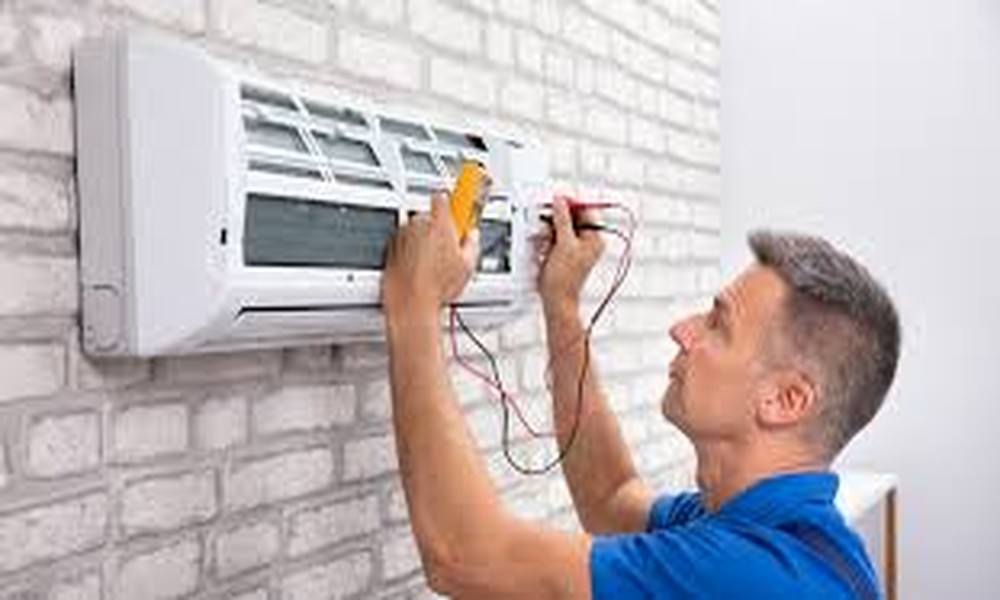
Professional servicing before summer begins can catch minor issues early. Technicians check refrigerant levels, inspect wiring, clean coils, and ensure all parts are functioning correctly.
Regular servicing not only improves performance but also extends the lifespan of your system. It helps identify worn-out components before they fail during peak heat-making it easier to avoid AC repair costs that are often more expensive and harder to schedule at that time.
Keep Outdoor Units Clear and Unobstructed
Your outdoor condenser unit needs space to function properly. Leaves, debris, or overgrown plants can block airflow and reduce efficiency.
Maintaining at least two feet of clearance around the unit allows it to release heat effectively. Cleaning debris regularly also prevents dust from clogging the system, which can otherwise lead to overheating and reduced cooling capacity.
Use a Programmable Thermostat Wisely
A programmable or smart thermostat helps regulate indoor temperatures more efficiently. Instead of running continuously, your system adjusts based on your schedule.
Setting slightly higher temperatures when you are away reduces system load. Over time, this minimises wear on components and lowers energy bills without sacrificing comfort when you return home.
Seal Air Leaks and Improve Insulation
Even the best cooling system struggles in a poorly insulated home. Air leaks around windows, doors, and ducts allow cool air to escape and warm air to enter.
Sealing these gaps ensures your system doesn’t overwork to maintain temperature. Proper insulation also stabilises indoor conditions, reducing the frequency of system cycling and preventing unnecessary strain.
Avoid Overworking the System During Peak Heat
Running your system at extremely low temperatures during the hottest hours can push it beyond its limits. Instead, aim for a consistent and reasonable setting.
Using ceiling fans or closing blinds during peak sunlight hours can reduce indoor heat naturally. These small adjustments help your system maintain performance without excessive effort.
Recognise Early Warning Signs
Unusual noises, weak airflow, or inconsistent cooling are often early indicators of trouble. Ignoring these signs can lead to more serious damage.
If you notice anything unusual, addressing it promptly is key. Learning practical steps to avoid AC repair can help you stay ahead of costly breakdowns and keep your system running efficiently throughout the season.
Final Thoughts
Preventing cooling system issues is less about complex fixes and more about consistent care. Small actions like cleaning filters, scheduling maintenance, and improving home efficiency can significantly reduce the risk of unexpected breakdowns.
By staying proactive, you not only extend the life of your system but also ensure reliable comfort when you need it most.
