

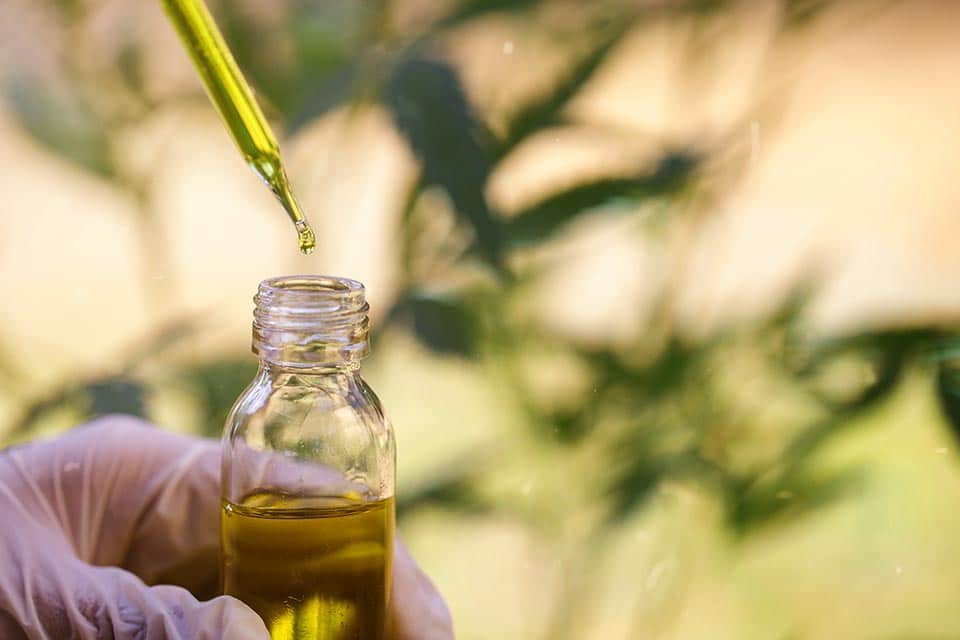
Navigating today’s CBD market requires discernment. Not all CBD oils are created with the same standards, and low-quality products can undermine both safety and trust. Understanding how to identify red flags protects your wellness routine and helps ensure you are choosing products that align with transparency, education, and conscious use.
Knowing what separates reliable CBD oil from inferior options is essential before adding anything new to your daily routine. The details matter, and they directly influence consistency, quality, and peace of mind.
Identifying Low-Quality CBD Oil
Identifying low-grade CBD oil is a critical step in protecting yourself and getting real value from where to buy CBD oil. Low-quality products often share common warning signs that signal poor sourcing or lack of oversight.
- Incongruent Labeling: Product labels should clearly state CBD content, serving size, ingredients, and THC levels. When labels are vague, inconsistent, or lack measurable amounts, it becomes difficult to know what you are actually consuming.
- Missing Certificates of Analysis: A Certificate of Analysis, or COA, verifies cannabinoid content and screens for contaminants. If a brand does not make its COA easy to access, the product’s quality and safety cannot be independently confirmed.
- Unsubstantiated Health Claims: Responsible CBD brands avoid claims that promise cures or guaranteed results. Overstated benefits often indicate a lack of education-first values and can signal low product integrity.
Health Risks of Inferior CBD Products
Low-quality CBD oils can introduce avoidable risks, especially when formulation and testing standards are inconsistent. Evaluating these risks reinforces why product quality matters.
- Liver Function Concerns: CBD interacts with metabolic pathways in the liver. When products lack purity or consistent formulation, it becomes harder to understand how they may affect your system over time, particularly when combined with other supplements or medications.
- Potential Interaction Uncertainty: CBD influences how certain compounds are processed in the body. Without reliable dosing and clean formulation, low-grade oils make it difficult to assess how CBD fits alongside existing wellness routines.
- Inconsistent Dosage and Effects: Quality CBD products are formulated with consistency in mind. Inferior oils may vary in strength from batch to batch, increasing the likelihood of unexpected reactions or ineffective results.
Choosing High-Quality CBD Oil
Selecting a high-quality CBD oil starts with transparency and education. Brands that prioritize clarity empower you to make informed decisions and avoid unnecessary risks.
- Clear and Honest Labeling: High-quality oils clearly list cannabinoid content, ingredients, and THC compliance. Labels should match what appears on the COA with no discrepancies.
- Extraction Method Transparency: The extraction process impacts purity. Clean extraction methods that avoid harsh solvents help preserve plant integrity and reduce unwanted residues.
- Third-Party Testing Standards: Independent lab testing confirms purity, potency, and safety. Accessible COAs demonstrate a brand’s commitment to accountability and consumer trust.
Navigating the CBD market with intention helps you avoid low-quality oils that erode confidence and compromise wellness. Choosing COA-backed products from education-driven brands like HempThirdEye LLC supports a more informed and empowering approach to hemp-based wellness.
If you are searching for the best CBD oil, focus on transparency, sourcing, and brands that prioritize clarity over hype. Your wellness journey deserves products built on trust, consistency, and conscious standards.
These statements have not been evaluated by the Food and Drug Administration. These products are not intended to diagnose, treat, cure, or prevent any disease.
