

Every now and then, someone steps into a crowded work area-maybe a garage, storage building, or repair space-and picks up on a quiet detail. Rarely is it the tools humming in place or how things are arranged that catches attention first. Instead, it’s the movement. How people travel through the space. Whether jobs pass smoothly between stages-or get stuck along the way. That unspoken rhythm, felt more than seen. Often unnoticed until it’s missing.
Something like that ease isn’t random. It grows slowly, shaped through tiny choices-ones nobody really notices at the time. Still, piled together, these moments define how well things move within those walls.
The Hidden Price of Being Unorganized
Something small slips out of place. A single object stays where it shouldn’t, just for now. Then another joins it, quietly piling up without warning. What once felt harmless grows heavier over time. Movement slows. Tasks stretch longer than they should. The space begins to resist motion. Little by little, effort increases. Comfort fades without notice.
Hours slip away searching for things. Moving from one place to another feels indirect. Simple jobs grow beyond their usual time. On top of that, thoughts feel heavier. Even a brief distraction can break momentum.
Disorganization doesn’t always look chaotic. Sometimes it hides behind quieter signs-slowness, fatigue, the sense that everything takes more effort than it should. In those quiet moments, the true cost of clutter becomes clear.
Movement Shapes Productivity
What often goes unnoticed in a workspace is its flow. Movement matters-not only of people, but also of tools and materials. Pathways shape performance. How things travel changes everything.
Smooth movement makes effort feel lighter. Without constant stops or detours, actions connect naturally, like steps in a familiar rhythm. But tight or poorly planned spaces disrupt that flow, turning simple tasks into something draining. A small inefficiency repeated throughout the day builds into real fatigue.
Resistance slows things down more than speed ever could. What matters most is moving freely, not rushing.
More people are beginning to question whether their environments truly support movement. Instead of adjusting themselves to the space, they’re reshaping the space to match how work actually happens.
Small Adjustments With Large Effects
Simple changes often have the greatest impact. Not every improvement requires major spending or a complete redesign. It starts by observing daily routines and noticing what slows things down.
Tools may sit too far from where they’re used. Items might be carried manually when easier options exist. Work areas can block natural movement, making even basic actions feel awkward.
Fixing small issues can lead to meaningful improvements. Tasks become easier. Less energy is wasted. Over time, productivity increases without added pressure.
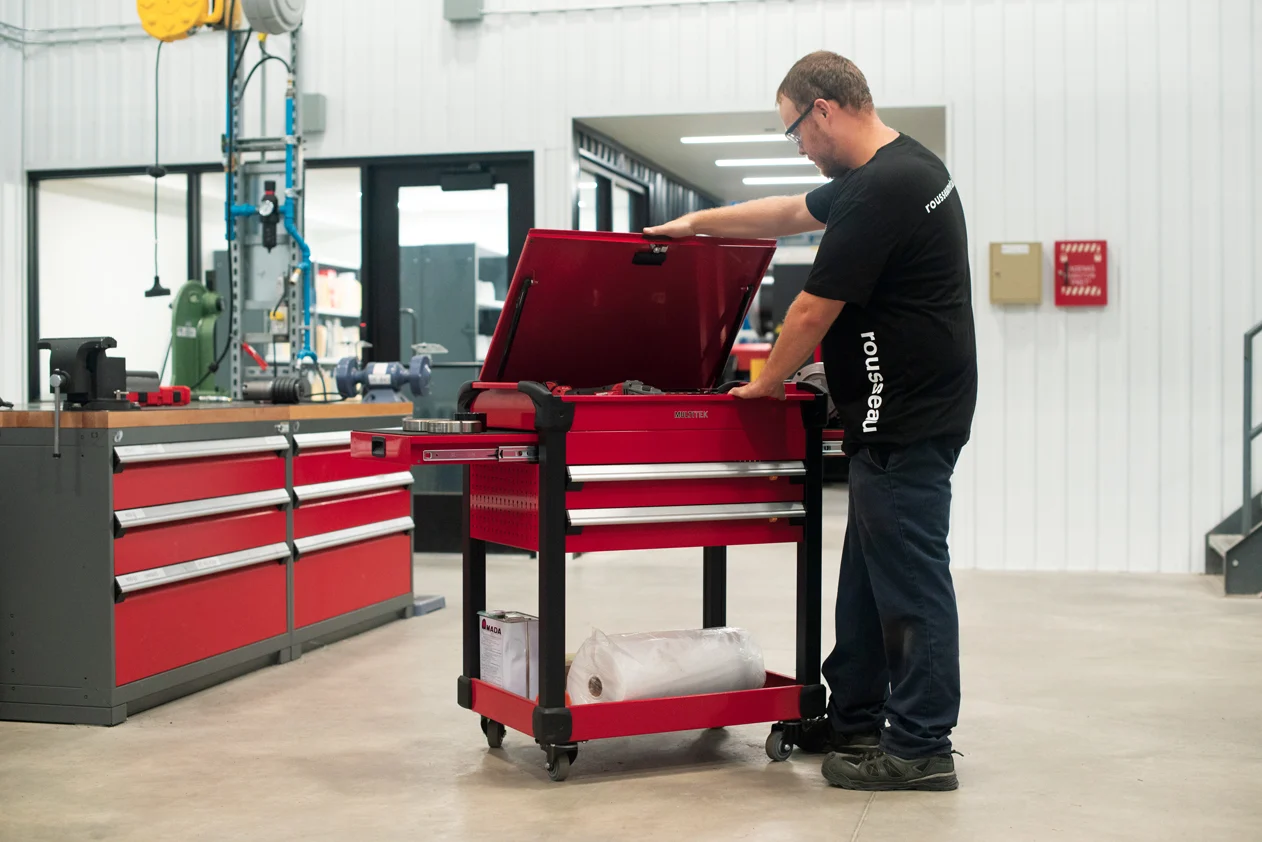
Here’s a thought: placing tool trolleys exactly where they’re needed can reduce unnecessary steps during busy workdays. Someone exploring practical storage solutions might browse options designed for real-world use, not just display, such as
https://www.tools.unipac.com.au/collections/trolleys
Seeing how these solutions fit into everyday routines often brings clarity.
Organization as a System, Not a Task
Clearing a mess doesn’t always mean creating order. Sometimes it simply hides the problem.
Without a system, clutter returns quickly. But when every item has a place-based on how often it’s used and how easily it can be reached-things begin to stay in order naturally.
Cleaning is temporary. Systems are lasting.
When organization becomes part of the workflow, it no longer feels like an extra effort. The space maintains itself. Clarity becomes the default.
The Human Factor
Behind every process is a person. Even the most efficient setup must feel natural to those using it.
When tools are within reach, movement becomes smoother. Tasks begin to flow. The body works with less strain. Focus improves. Mistakes happen less often.
These are small shifts, but they carry weight.
A well-organized workspace doesn’t just improve results-it changes how work feels.
A Move Toward More Considered Work Environments
There’s a growing realization that productivity doesn’t come from pushing harder. It comes from creating conditions where work feels easier to do.
This shift is subtle but meaningful. Workspaces are evolving-not by adding more tools, but by simplifying, clarifying, and supporting natural movement.
People are asking better questions:
- Is this setup helping or slowing progress?
- Can movement be made easier?
- Are tools placed where they’re actually needed?
These questions lead to better decisions over time-quietly shaping more effective environments.
Looking Ahead
As workspaces continue to evolve, efficiency and organization will matter more than ever. But real progress often comes from small, thoughtful changes rather than large transformations.
A space works best not when it holds more, but when everything within it connects smoothly. What matters most is how well each part fits together-not how much is added.
Because in the end, the best systems don’t stand out. They simply work.
