

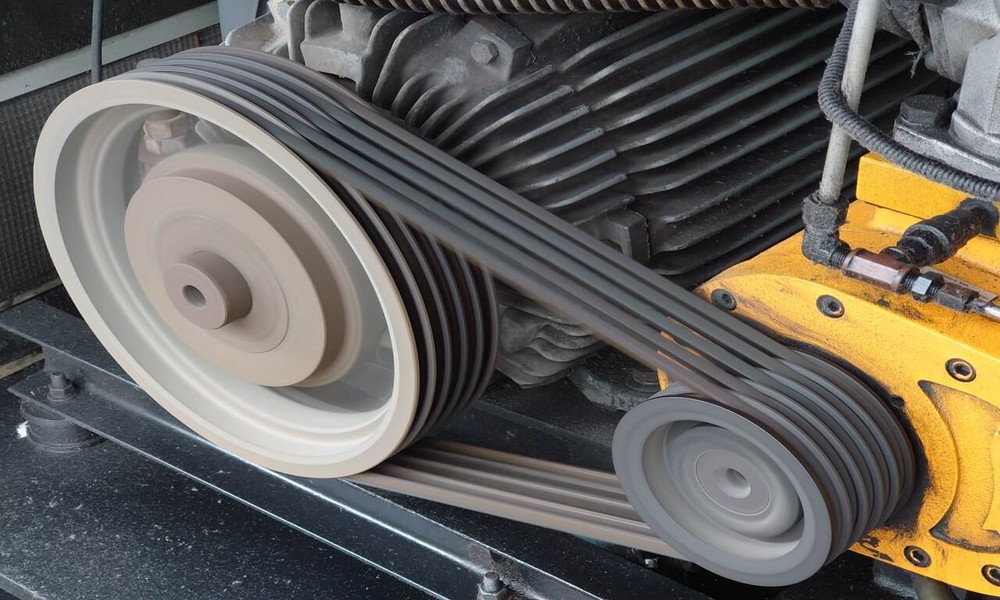
Efficient power transfer depends on stable mechanical interactions while rotating assemblies operate continuously across varied industrial environments. Rotational systems require components that maintain consistent motion output without interruptions or unexpected resistance.
Industrial setups frequently depend on V pulleys for balanced torque distribution across connected shafts and belts. Their structured design helps reduce slippage during continuous operation cycles while ensuring dependable energy movement.
Consistent Torque Handling Across Rotating Systems
Precision grooves ensure belts remain firmly seated during motion while minimizing unwanted displacement under varying loads. Stable contact surfaces help maintain uniform rotational movement across connected components during extended operations.
These features prevent unnecessary energy losses during operation and allow smoother transfer across rotating assemblies. Reliable torque transfer supports smooth system performance across cycles while maintaining consistent output stability.
Material Strength Enhancing Operational Durability
Engineered materials provide resistance against mechanical wear while supporting continuous use across demanding industrial environments. Durable compositions help components endure repeated stress cycles without compromising structural strength or performance consistency. Strength retention supports consistent functioning under demanding conditions where reliability remains critical for long term operations.
- High tensile resistance improves long term usage
- Corrosion resistant surfaces extend operational lifespan
- Heat tolerance reduces deformation during extended runs
- Balanced weight distribution prevents uneven mechanical strain
Reliable materials ensure dependable output across prolonged working periods without frequent mechanical disruptions. Operational continuity remains steady even under heavy load conditions where systems demand consistent performance. Mechanical systems benefit from reduced maintenance interruptions over time due to enhanced structural resilience.
Why Groove Geometry Impacts Efficiency Levels?
Groove shape directly influences belt alignment and grip across rotating systems where precision determines operational effectiveness. Improper geometry often causes friction inconsistencies during motion cycles that reduce efficiency and increase wear. Optimized designs maintain stable engagement throughout rotational movement while improving power transfer consistency. This stability ensures minimal power loss during energy transfer across interconnected mechanical components.
How Does Belt Interaction Influence System Stability?
Belt interaction determines overall transmission consistency and reliability while influencing operational smoothness across rotating assemblies. Friction balance ensures motion remains controlled without sudden interruptions or instability during continuous use. Smooth engagement helps maintain steady rotational speed across components and improves overall performance predictability. This interaction improves operational safety within mechanical environments where stability remains essential.
Load Distribution Balancing Mechanical Performance Output
Even load distribution supports efficient movement across connected parts and ensures balanced mechanical stress across rotating systems. Careful design ensures forces spread uniformly throughout rotating assemblies without concentrating pressure in specific areas.
Systems using V pulleys maintain steady performance under varying loads while supporting consistent operational efficiency. Balanced force handling reduces strain on individual mechanical components and improves durability.
- Equal force spread prevents localized mechanical stress
- Consistent motion reduces sudden performance fluctuations
- Uniform distribution supports extended component durability
- Controlled load handling improves system operational reliability
Balanced systems operate with greater efficiency over extended periods while maintaining steady performance output. Mechanical stress remains controlled across continuous usage cycles without unexpected failures. Performance stability becomes easier to maintain in demanding setups with proper load handling strategies.
Can Maintenance Practices Improve System Longevity Outcomes?
Regular inspections help identify wear before serious issues develop and allow timely corrective actions during operation cycles. Timely adjustments ensure belts remain properly tensioned during usage and prevent unexpected disruptions.
Clean surfaces reduce friction buildup across rotating components and support smoother mechanical interaction. Consistent upkeep supports long term system efficiency without disruptions or unnecessary downtime.
Mechanical Integration Enhancing Overall System Reliability
Integrated components function cohesively within structured mechanical systems where coordination determines overall performance quality. Each part contributes toward maintaining smooth operational continuity while supporting efficient energy transfer across assemblies.
Careful design ensures compatibility between connected moving elements and prevents operational inconsistencies during extended use. Systems perform efficiently when integration remains precisely maintained across all working components.
