

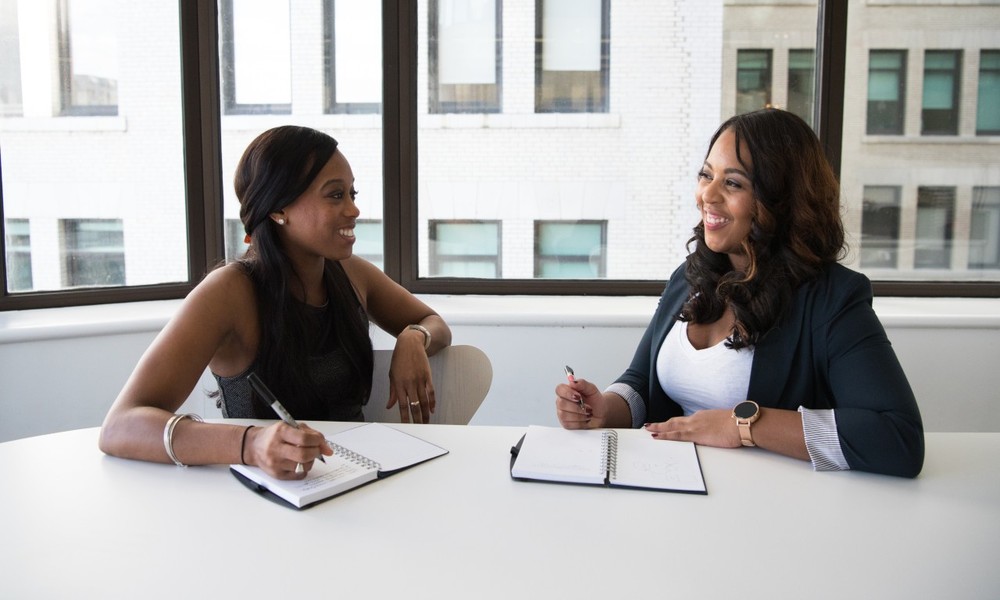
All of your hiring decisions begin with a conversation. However, numerous interviews do not yield the information required to make a confident decision. Not all candidates are created equal, but even the best sound good without structure around whom and what role you think they would fit.
Knowing how to conduct an interview not only aids the organization by providing them with relevant information but also leaves a good impression on candidates.
The Aim Should Be Gathering Information Not Impressions
The first impressions can be everything, but not necessarily reliable.
Opinions within minutes are taken from a candidate’s confidence, communication style, or anything relatable to their personality. On the other hand, good hiring goes beyond first impressions.
Learning how to conduct an interview should be guided by evidence, not assumptions. The goal is to see how a candidate has done in important situations and then predict their performance going forward.
Plan Ahead: A Roadmap Before the Meeting
Good interviews start way before the candidate steps into the conversation.
An interview plan should outline the following:
- Key job responsibilities
- Required skills
- Desired behaviors
- Evaluation criteria
You prepare so that every question you ask serves a purpose.
In the absence of an overarching plan, interviews can quickly turn into casual chats that leave everyone with little useful information.
Showing the Real Skills
Discussing real experiences − is very effective way to get a picture of the candidate.
Questions that inquire about past actions often trump those framed as hypotheticals.
For example:
Problem-Solving
Have candidates discuss how they addressed a difficult challenge that they faced.
Teamwork
Investigate instances where they jointly collaborated with others to accomplish a goal.
Adaptability
Share how they reacted when something unexpected changed or priorities transformed.
These talks allow interviewers to assess practical experience versus pre-prepared responses.
This is a very important piece in the puzzle of how to conduct an interview & do it right.
Turn the Interview into a Dialogue
Candidates are essentially interviewing the organization just as much as they can if not more.
Allowing questions adds to the experience and helps the candidates learn more about their potential position.
Utilizing open dialogue also helps create an environment that makes candidates freer to offer a genuine response.
More often than not an interview that promotes a two-way conversation leads to better hiring results.
Compare Candidates Fairly
Every now and again, you stumble upon a goldmine of an interview practice: consistency.
Hiring teams can more objectively compare when all candidates are evaluated against the same criteria.
Structured evaluations are less biased and help redirect focus on qualifications needed for the job.
Many organizations that have conducted interviews and know how to do so build their evaluation matrices or scorecards that ensure similar decision making.
Beyond the Interview Room
Your approach towards an interview should not be like a one-shot opportunity. It is yet another aspect of a wider admission process.
The findings outlined in The Predictive Index highlight how important it is to ask the right interview questions aligned with the job requirements and appropriate workplace behaviors. This allows an organization to find candidates who’s likely going to succeed in a certain role.
