

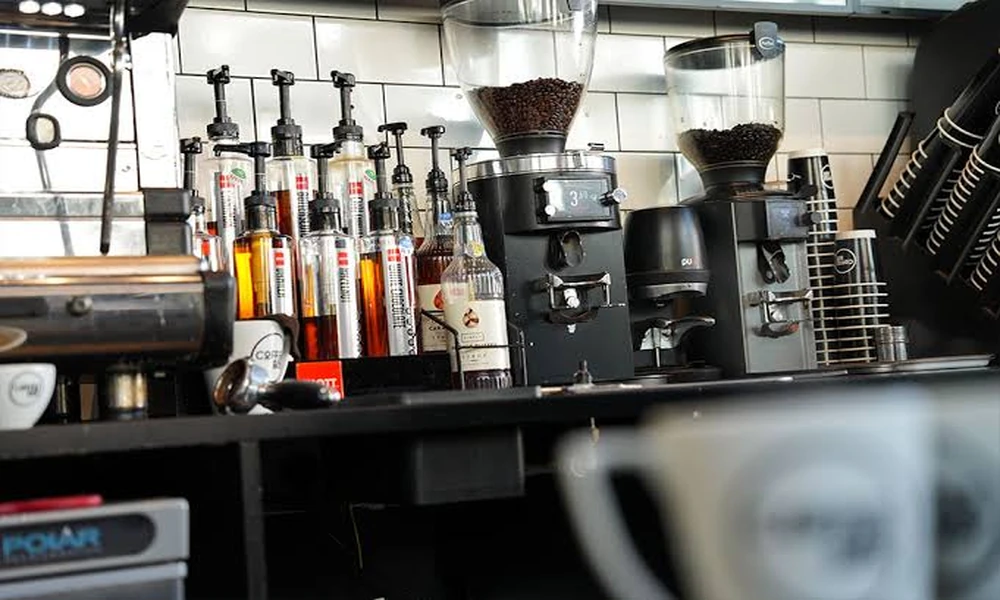
An office coffee machine looks like a one-off purchase and behaves like an ongoing service. It needs descaling, its brew group wears, its grinder burrs dull, its milk system requires daily cleaning, and at some point it stops working on a Monday morning in front of forty people. Coffee machine rental exists because the machine is the easy part of the problem and everything around it is the expensive part.
What You Are Actually Buying
A rental agreement bundles the equipment with the things that keep it running, scheduled servicing, breakdown response, replacement parts, and usually a replacement machine if yours is out of action. Ownership gives you an asset and leaves all of that to you. For a business without anyone whose job is maintaining equipment, that transfer of responsibility is generally worth more than the difference in headline cost, because the alternative involves an office manager finding a technician on a busy morning.
Capital and Cash Flow
A commercial machine capable of serving a floor of staff is a meaningful capital outlay, and it depreciates from the moment it is installed. Rental converts that into a predictable monthly operating expense with no upfront commitment, which suits businesses that would rather deploy capital into the operation itself. It also makes budgeting simple, since the monthly figure covers the machine and its upkeep rather than fluctuating with whatever broke this quarter.
Downtime Is the Real Cost
The measure that matters is not the price of the machine but how quickly it is working again when it stops. A rental agreement with a defined response commitment, and a loan unit where repairs take time, means an outage lasts hours rather than the week it takes to get an owned machine assessed, quoted, approved and repaired. In an office where coffee is part of the daily routine, that difference is felt immediately and mentioned frequently.
Matching the Machine to Actual Demand
Headcount changes, and a machine specified for thirty people struggles at eighty. Rental makes it straightforward to move up a class as the office grows, or down if it contracts, without owning a machine that no longer fits. It also allows a trial period with a particular model before committing, which is worth more than any specification sheet when the question is whether your staff actually like the coffee it produces.
Access to Better Equipment
The practical effect of spreading cost is that offices end up with better machines than they would buy outright. A bean-to-cup machine grinding fresh for each cup, with a proper milk system and adequate recovery between drinks, sits at a price point many businesses would not approve as a capital purchase but will accept as a monthly line. Suppliers of office coffee machines generally offer a range across that spectrum.
Consumables and Bundled Supply
Most agreements pair the machine with a supply of beans, and sometimes with milk, cups and ancillary items. This is convenient and worth examining. Establish whether you are obliged to buy consumables from the provider, what they cost relative to buying independently, and whether there is a minimum monthly volume. A low machine rate with expensive tied consumables can total more than a higher rate with open supply, depending on how much coffee your office actually drinks.
Installation and Getting It Started
The first fortnight determines whether a machine is used properly for the next three years. A good provider handles siting, plumbing and drainage where the machine requires it, fits water filtration, dials in the grind for the beans supplied, and shows staff how to operate and clean it rather than leaving a manual on the counter. Ask what installation includes, whether training is provided and to how many people, and whether they will return to retrain when staff turn over. Offices where nobody was ever shown how to run the cleaning cycle are the offices that call about poor-tasting coffee six months later.
Reading the Agreement
Check the minimum term and what notice is required to end it. Check what the service commitment actually covers, how often preventive visits occur, and what response time applies to a breakdown, including whether it covers the hours you operate. Check what is excluded, since damage, misuse and descaling caused by neglecting water filtration frequently are. Check what happens at the end of the term, whether the rate changes and whether the machine is replaced or continues.
When Buying Makes More Sense
Rental is not universally correct. An organisation with an in-house facilities team, a long horizon and stable headcount may do better owning, particularly for a simple machine with few failure points. Businesses that already hold service contracts for other equipment may be able to add coffee equipment cheaply. And where a specific machine is wanted for reasons of quality or brand, purchase may be the only route to it.
Deciding Sensibly
Estimate daily cup volume from headcount, get quotations covering machine, service, response commitment and consumables on the same basis, and compare total monthly cost rather than the rental rate alone. Ask what happens on a breakdown and how quickly. For most offices between ten and two hundred people, coffee machine rental turns an unpredictable piece of equipment into a fixed monthly figure that somebody else is responsible for keeping running.
