

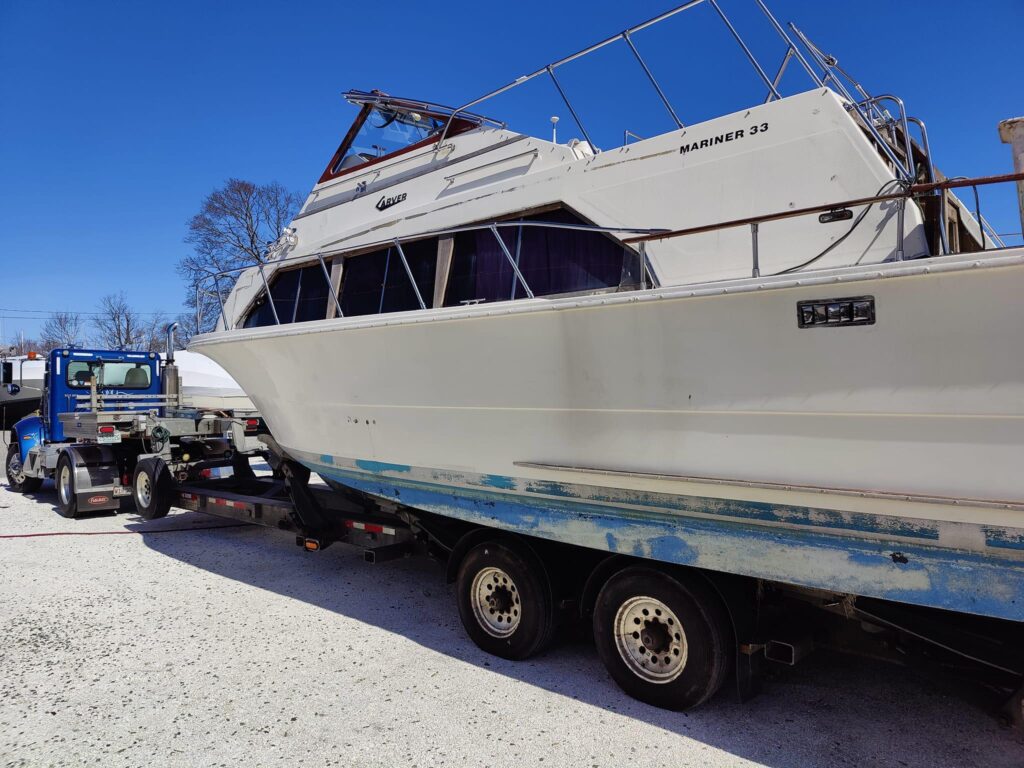
Professional boat removal requires deep knowledge of identifying and managing hazardous substances found aboard marine vessels. To obvious dangers like fuel and oil, there are also less obvious dangers like refrigerants, battery acid, and toxic antifouling paint. boat removal in St Petersburg FL follows systematic protocols for safe extraction, proper containment, legal transportation, and environmentally responsible disposal.
Fuel extraction
Removing fuel follows strict safety measures to prevent fires, explosions, or environmental contamination. First step, disconnect shore power. This eliminates ignition sources before anyone touches fuel. Then comes comprehensive fuel system drainage using pumps built for marine work. The extracted fuel goes into DOT-approved transport containers rated for petroleum products. Every container gets labeled showing contents and hazard classifications. Gasoline and diesel stay separated. Mixing them causes problems at recycling facilities later. Most boats hold 50 to 200 gallons, which means multiple container loads. Transfer operations happen in ventilated areas, far from anything that could spark. Personnel wear protective gear, respirators, and chemical-resistant gloves. Fuel oil that contains water needs separation before disposal. Contaminated fuel gets rejected at recycling facilities that process clean petroleum.
Battery handling
Marine batteries create two hazards: Lead content and sulfuric acid electrolyte. Removal crews disconnect them carefully. A short circuit could spark a fire or explosion, especially in fuel-rich vessel environments with tight spaces for vapours. The battery terminals are covered to prevent accidental contact. Any acid leaks are contained in containment trays. This prevents corrosive damage to vessel structures or contamination of surrounding areas. Lead-acid batteries head to licensed recycling facilities. These places recover lead and plastic while neutralizing acid through established chemical processes. Lithium batteries in electronic systems demand different handling. Lithium reacts violently with water. Damaged lithium batteries ignite spontaneously. This requires special containment and transportation following Department of Transportation regulations for reactive materials.
Refrigerant recovery work
Refrigeration systems need certified technicians for recovery using EPA-approved equipment that meets current regulatory standards. Older boats might have banned CFCs. These need special handling and disposal tracking documentation submitted to environmental agencies. Recovery equipment captures refrigerant gases. This stops atmospheric release that contributes to ozone depletion and climate change. Recovered refrigerants either get recycled for reuse in older compatible systems or destroyed through approved thermal or chemical processes. Air conditioning in cabin spaces and refrigeration units in galleys both have refrigerants. All of it needs recovery before vessel scrapping moves forward. Technicians document quantities recovered and disposal methods used.
Paint removal hazards
Antifouling hull paints contain toxic compounds that prevent marine organisms from growing. Removing this paint creates hazards. Scraping or media blasting generates dust classified as hazardous waste under EPA rules. Paint particles are prevented from entering waterways or soil through containment systems, vacuum collection, and ground barriers. Unlike standard landfills, hazardous waste facilities handle paint chips and dust safely. Documentation tracks hazardous material from the vessel through final disposal. Manifests accompany hazardous waste shipments. They record quantities, materials, generators, transporters, and disposal facilities. This provides legal protection for removal companies while demonstrating regulatory compliance to authorities.
