

The Marvel of Hydraulic Control Systems: How They Work
Breaking Down the Basics: What Makes Hydraulics Tick?
Hydraulic control systems operate on a fundamental principle: utilizing incompressible fluids to transmit power. At the heart of these systems lies Pascal’s Law, which states that a change in pressure applied to an incompressible fluid in a closed system is transmitted undiminished to all portions of the fluid and to the walls of its container. This principle enables hydraulic systems to multiply force, offering remarkable lifting capabilities that gear and belt-driven systems cannot match. The use of oil or water as a medium for power transfer ensures not only efficiency but also safety in high-stress environments, as liquid motion is virtually free of the risks associated with mechanical failures.
Pressure, Flow, and Control: The Dance of Fluids
The functionality of hydraulic control systems heavily relies on the precise management of pressure and flow. Pressure is the force exerted per unit area measured in pascals (Pa) or pounds per square inch (psi). Meanwhile, flow refers to the volume of hydraulic fluid moving through the system over time, typically measured in liters per minute (L/min). This interplay between pressure and flow enables systems to perform a diverse range of tasks, from lifting heavy machinery to finely controlling the motions of robotic arms. Engineers must carefully balance these two elements; too much pressure without adequate flow can lead to system failure, while excessive flow can compromise precision. Understanding the dynamics of these parameters allows for the design of more effective and responsive hydraulic systems.
The Components in Action: Cylinders, Pumps, and Valves Explained
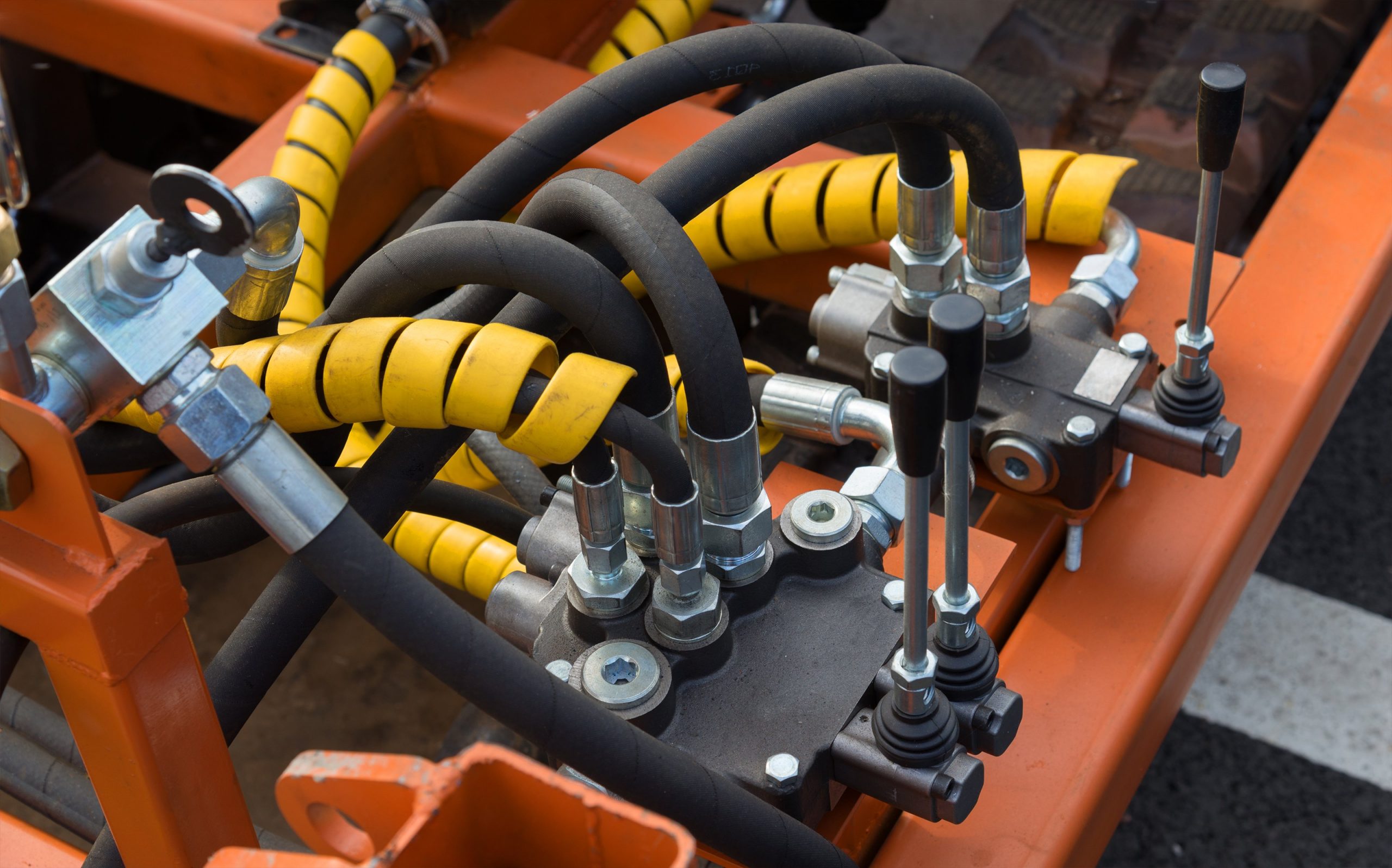
At its core, a hydraulic control system comprises several key components: hydraulic cylinders, pumps, and valves. Hydraulic cylinders convert the hydraulic energy from the fluid into linear motion, facilitating lifting or pushing actions. These cylinders are designed for durability, often featuring seals that prevent fluid leakage and wear. Pumps, which serve as the heart of the system, generate flow and pressure. They can be categorized mainly into positive displacement pumps and non-positive displacement pumps, with each type offering unique advantages depending on the application requirements. Valves, on the other hand, control the direction and flow rate of the hydraulic fluid. By manipulating these components, engineers can create systems that achieve both high efficiency and precision, enabling a wide variety of applications across industries.
Applications that Dominate: Where Hydraulic Control Systems Shine
From Construction Sites to Agricultural Fields: A Versatile Power Source
The versatility of hydraulic control systems positions them as invaluable tools in many sectors, particularly in construction and agriculture. In construction, hydraulic systems power heavy machinery such as excavators, bulldozers, and cranes, providing the strength needed to lift and manipulate immense loads with remarkable efficiency. The ability to exert significant force through compact systems is essential in managing tasks that require precision and control, such as drilling and digging. In agriculture, hydraulic systems are utilized in various equipment, including tractors and harvesters, facilitating tasks like plowing and planting with minimized labor and maximizing production efficiency. As technologies evolve, the integration of hydraulic systems into more sophisticated equipment further enhances productivity in these sectors, illustrating the enduring significance of hydraulic technology in modern industry.
Hydraulics in Robotics: The Power Behind Precision Movements
The realm of robotics has significantly benefited from hydraulic control systems, enabling machines to perform complex tasks with precision and strength. In robotic applications, hydraulics provide the necessary force to actuate movements that require both finesse and power. For instance, in surgical robots, hydraulics allow for visual and tactile feedback mechanisms that enhance the precision and safety of surgical operations. Additionally, in industries such as manufacturing and assembly, hydraulic arms equipped with grippers can maneuver with a high degree of dexterity, handling components in ways that servo motors alone cannot achieve. The flexibility and responsiveness of hydraulic systems make them indispensable in advancing robotics technologies, demonstrating how these systems can enhance efficiency and accuracy in labor-intensive environments.
Automotive Applications: Steering and Stopping with Hydraulic Technology
Hydraulic technologies have long been a critical part of the automotive industry, particularly in steering and braking systems. Hydraulic power steering systems allow for effortless maneuvering of vehicles, improving driver comfort and control. These systems operate by using hydraulic fluid to amplify the force applied by the driver to the steering wheel, resulting in easier rotation and responsiveness at speeds. Similarly, hydraulic brakes provide reliable stopping power, utilizing the principles of fluid dynamics to transfer force from the brake pedal to the brake pads seamlessly. This braking system offers advantages over mechanical systems by enhancing safety and providing a smoother driving experience. As automotive technologies transition towards electric and autonomous vehicles, hydraulic systems continue to play a vital role in maintaining the performance and reliability of vehicle functions.
Innovations and Advancements: The Future of Hydraulic Control Systems
The Integration of Smart Technology in Hydraulic Systems
The future of hydraulic control systems is increasingly intertwined with digital technology and smart systems. The integration of sensors and data analytics into hydraulic systems allows for real-time monitoring and diagnostics, significantly improving system reliability and operational efficiency. Smart hydraulics can adapt to varying load conditions, optimizing performance on the fly, which reduces energy consumption and minimizes wear on components. Furthermore, predictive maintenance algorithms can analyze the data collected from systems to forecast potential issues before they lead to costly failures, allowing for timely interventions. As industries continue to embrace the Internet of Things (IoT), the evolution of hydraulic systems into smart, responsive units is anticipated to revolutionize applications across manufacturing, construction, and transportation sectors.
Sustainability in Hydraulics: Greener Solutions for a Better Tomorrow
As environmental concerns become more pressing, the hydraulic industry is adapting to reflect a demanding focus on sustainability. Innovations aimed at enhancing the energy efficiency of hydraulic systems are gaining prominence, including the development of biodegradable fluids and energy recovery systems that utilize pressure from returning fluids to power the system anew. Advances in hydraulic technology are also improving the efficiency of hydraulic components themselves, leading to smaller, lighter systems that require less energy to operate. By investing in research and development aimed at lower-impact materials and processes, the hydraulic industry is making strides towards a more sustainable future. These developments not only address the environmental implications but also contribute to long-term economic benefits by reducing operating costs associated with energy consumption and material wear.
Case Studies: Revolutionary Projects Utilizing Hydraulic Innovations
Several groundbreaking projects highlight the potential of hydraulic innovations in transforming industries. One notable example is the use of hydraulic fracturing or “fracking” in the oil and gas sector. This hydraulic technique allows for the extraction of resources from deep within shale formations by injecting high-pressure water mixed with sand and chemicals. Despite its controversial environmental impacts, advanced hydraulic systems in fracking have significantly increased energy production, positioning it as a critical method in meeting global energy demands. Another case includes the advancements in robotic surgery, where hydraulic systems provide precision movements that have revolutionized minimally invasive procedures. These case studies not only demonstrate the applicability of hydraulic technology in diverse fields but also underscore its role in fostering innovation and addressing contemporary challenges.
Challenges and Solutions: Navigating the Complexities of Hydraulic Systems
Common Issues Faced by Engineers: Troubleshooting Hydraulic Systems
Despite their robust performance and versatility, hydraulic systems are not without challenges. Engineers often face issues such as leaks, pressure drops, and contamination that can undermine system effectiveness. Leaks commonly arise from worn seals or faulty connections, resulting in reduced efficiency and potential damage to the hydraulic fluid. Regular inspection and maintenance are essential in mitigating these problems. Pressure drops can indicate obstructions in the lines, necessitating thorough cleaning and checks for potential blockages. Additionally, contamination from external particles or moisture can degrade hydraulic fluid properties, leading to system failure. Engineers must adopt rigorous maintenance protocols, incorporating the use of filtration systems and regular fluid analysis, to ensure optimal performance and longevity of hydraulic systems.
Maintenance Matters: Keeping Your Hydraulic Systems Running Smoothly
Proactive maintenance is crucial in enhancing the lifespan and reliability of hydraulic control systems. Implementing a comprehensive maintenance strategy involves routine inspections, fluid checks, and component replacements when necessary. Engineers and technicians should utilize recommended intervals for fluid changes, ensuring that fluids remain uncontaminated and effective in delivering hydraulic energy. Visual inspections for leaks, temperature variations, and signs of wear, such as rust or corrosion, play an integral role in identifying potential issues before they escalate. Additionally, training staff on best practices for operating hydraulic systems can prevent misuse and enhance safety. Ultimately, a commitment to rigorous maintenance not only prolongs the life of hydraulic systems but also contributes to smoother operations, reducing downtime and repair costs.
Safety First: Best Practices for Operating Hydraulic Control Systems
The safety of operators and the environment is of paramount importance when working with hydraulic systems. Best practices must be established and adhered to prevent accidents and ensure full operational integrity. Operators should receive thorough training on the functionality of hydraulic systems, understanding both their capabilities and limitations. Personal protective equipment (PPE) such as gloves, goggles, and helmets should be standard practice in environments where hydraulic systems operate. Additionally, implementing emergency shutdown procedures and regular safety drills can prepare staff for unforeseen circumstances. It’s essential also to ensure that hydraulic components are rated for the specific applications they serve, as improper use can lead to catastrophic failures. By prioritizing safety measures, organizations can foster a culture of diligence and awareness that protects both personnel and equipment.
