

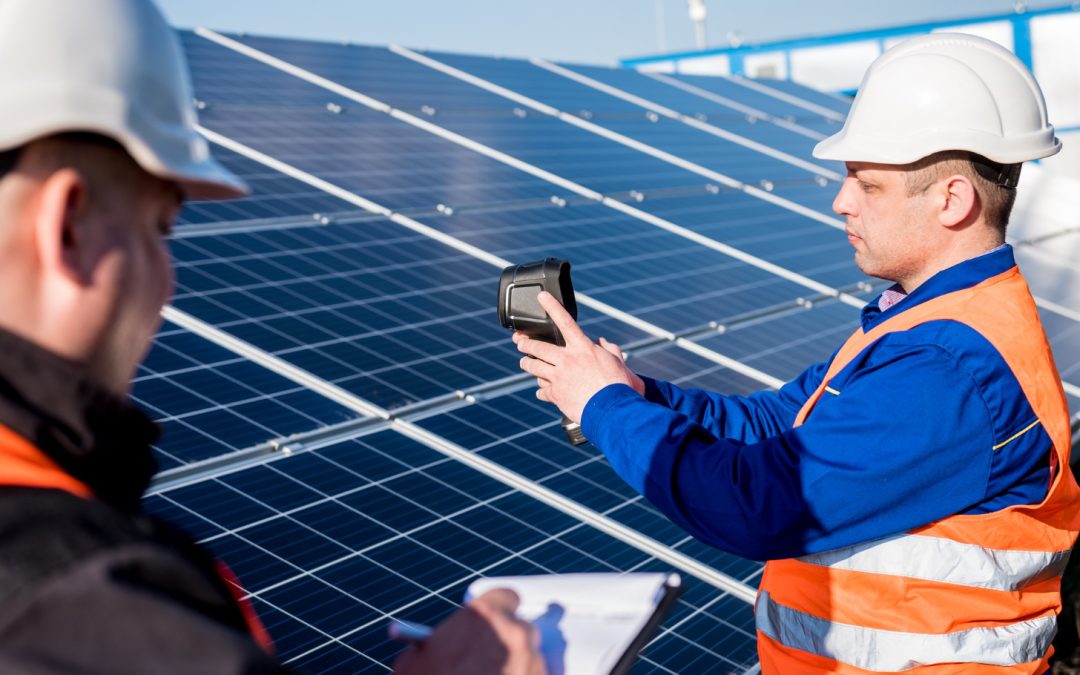
The solar industry’s growth has brought tremendous opportunity but also heightened responsibility. As more homeowners invest in clean energy, expectations for safety, reliability, and performance have never been higher. Delivering on these expectations requires more than technical expertise. It requires a multi-layered approach to quality control and safety that protects employees, safeguards customers, and ensures long-term system value. Freedom Forever Solar, one of the nation’s largest residential solar providers, reflects this commitment through structured procedures and a culture of accountability.
By embedding quality control into every step of the installation process, solar providers demonstrate how safety and reliability build both customer confidence and industry credibility. This proactive approach minimizes risk, supports long-term system performance, and strengthens the reputation of the residential solar sector as a whole.
Why Quality Control and Safety Matter
Solar installations involve complex coordination across design, permitting, electrical work, and construction. Each step carries risks, from installation errors to workplace hazards. Without strong quality control systems, these risks can lead to costly rework, safety incidents, or compromised system performance.
Quality and safety are not just operational goals. They are business imperatives. Companies that prioritize them reduce liability, strengthen reputations, and deliver better outcomes for homeowners. Customers benefit from greater peace of mind, while employees gain confidence in their ability to work safely and effectively.
Standardized Procedures
A strong quality control framework begins with standardized procedures. By defining transparent processes for everything from site assessments to electrical connections, companies reduce variability and ensure consistency across projects.
Standardization creates predictability for employees who know what steps to follow and how their work will be evaluated. This is achieved through proprietary digital platforms that guide crews step by step. These platforms provide installers with task checklists, compliance reminders, and real-time updates that keep every project aligned with company standards.
Regular Inspections and Audits
Inspections play a central role in ensuring quality and safety. Internal audits throughout the installation process catch issues early, while post-installation inspections confirm that systems meet both company standards and regulatory requirements.
Digital tools make this process more efficient by creating auditable records of each step. Supervisors can see who completed tasks, when they were finished, and whether any issues were flagged. This transparency supports accountability and strengthens trust between teams and customers. By conducting regular inspections, solar providers protect both system performance and employee safety, reinforcing their commitment to excellence.
Continuous Improvement
Quality control and safety are not static goals. They require continuous improvement. Companies that collect data from inspections, customer feedback, and employee observations can identify trends and refine processes over time.
Continuous improvement also involves updating training programs, adopting new technologies, and responding proactively to regulatory changes. By creating a culture that encourages learning and adaptation, companies strengthen their resilience and prepare for future challenges. It approaches this by regularly refining its processes based on field data and customer insights. The company’s willingness to learn and adapt reflects a broader commitment to long-term performance and customer trust.
Policy and Industry Alignment
Quality and safety remain foundational to the solar industry’s long-term success. Building codes, electrical standards, and workplace safety guidelines establish the framework for consistent, reliable performance across projects. Within this structure, many companies continue to raise the bar through voluntary certifications, advanced training, and internal best practices that go beyond basic compliance.
By prioritizing these standards, providers strengthen both operational integrity and stakeholder trust. Demonstrating a commitment to safety and quality reinforces credibility with customers, partners, and investors — key factors in sustaining growth across a rapidly evolving industry.
Company Responsibility in Ensuring Safety
While policy provides guidance, the responsibility for implementation lies with companies. Leadership must embed quality control into everyday operations, ensure that employees have the right tools, and promote accountability at every level.
This responsibility is achieved through its structured safety programs and commitment to transparent communication. Employees are trained to follow standardized procedures, while managers monitor compliance through digital platforms. This approach ensures that quality and safety remain central to the company’s operations.
Building Skill and Consistency Across the Workforce
Maintaining quality and safety in solar installations depends on continuous learning and practical training. Employees need both technical expertise and a clear understanding of how safety practices protect people and performance. Hands-on instruction and scenario-based learning connect procedures to real outcomes in the field, while ongoing education keeps teams current with new technologies, regulations, and equipment standards. This commitment to development reduces errors, prevents incidents, and strengthens accountability. For employees, it builds confidence and career growth. For customers, it ensures reliable installations and consistent service quality.
Freedom Forever reviews often highlight the company’s attention to detail and consistent safety practices on-site. Customers describe crews as professional, well-prepared, and committed to doing the job right the first time. These reviews illustrate how structured training and a culture of accountability translate into the quality and reliability that homeowners value most.
Equity and Access in Safety Practices
Equity must also be considered in quality and safety initiatives. All employees, regardless of background, must have equal access to training, protective equipment, and communication tools. Companies that fail to address equity risk leave parts of their workforce vulnerable.
Providing training in multiple languages, offering accessible safety resources, and ensuring that protective gear fits all employees are examples of equitable practices. These steps create a safer, more inclusive workplace while improving overall performance.
Economic Impact of Quality and Safety
Investing in quality control and safety yields significant economic benefits. For companies, fewer errors mean lower rework costs, reduced warranty claims, and stronger reputations. For employees, safer workplaces reduce injuries and associated costs. At the community level, reliable installations strengthen consumer confidence, leading to more solar adoption and job creation. Investors also benefit, as companies with strong quality and safety records present lower risks and greater stability. By treating quality and safety as long-term investments, solar providers enhance both their financial performance and their role in supporting broader economic growth.
Quality control and safety form the backbone of progress in the residential solar industry. Standardized procedures, consistent inspections, and a commitment to ongoing improvement safeguard both employees and customers while elevating overall system reliability. Freedom Forever integrates these principles into every stage of its operations, using structured processes and a culture of accountability to reduce risk and strengthen performance. By treating safety and quality as continuous priorities, the company reinforces trust with homeowners and advances higher standards across the clean energy sector.
