

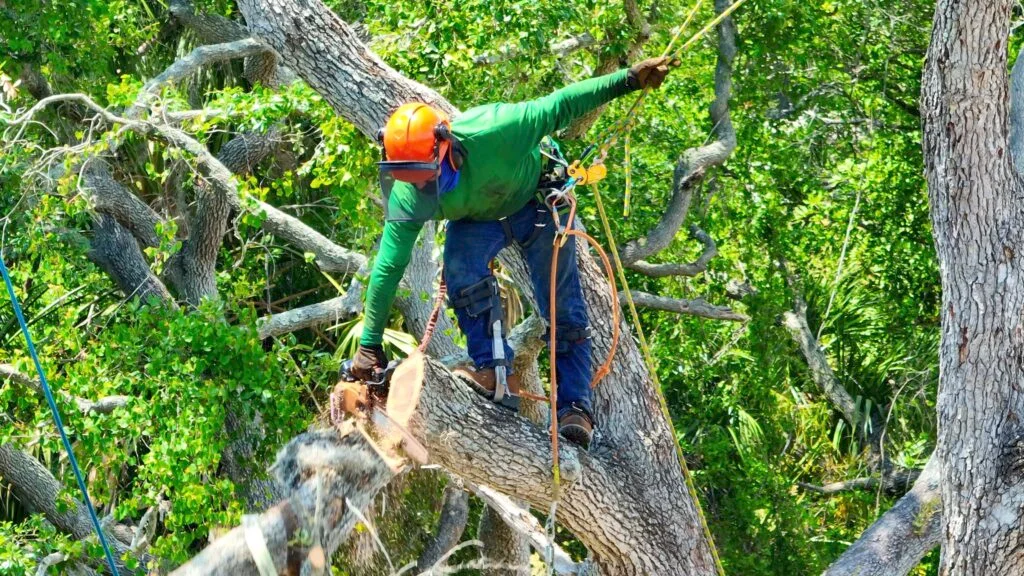
Long-term growth benefits accumulate when pruning directs tree energy toward productive development rather than wasteful or problematic growth patterns. Unpruned trees expend resources on weak branches, dead wood, and poor structures that compromise future health. tree pruning channels growth energy into strong frameworks supporting decades of vigorous development.
Resource allocation efficiency
Trees possess limited energy reserves for supporting growth, defence, and maintenance activities throughout each growing season. Pruning removes branches that consume resources without providing proportional benefits to overall tree health or structure. Dead and dying branches drain energy as trees attempt to isolate decay and prevent its spread into healthy tissues. Crossing branches wastes energy, healing wounds from constant friction contact. Water sprouts shooting vertically from horizontal branches grow rapidly but rarely develop into structurally sound limbs worth keeping. Removing these resource drains through pruning redirects available energy into remaining branches that contribute to proper tree architecture and productive foliage. Young trees particularly benefit from resource redirection since limited juvenile energy supplies get focused on establishing strong trunks and primary scaffold branches rather than supporting numerous weak competing stems that eventually need removal anyway.
Structural strength development
Branches of trees grow stronger if they are pruned early, preventing structural failures caused by uncorrected problems. In order to resist storm damage and support heavy foliage loads, single dominant leaders and evenly spaced lateral branches are needed. Removing competing leaders and correcting wide branch angles during formative years builds strength into growing structures. Proper branch spacing prevents crowding that leads to crossing limbs and weak attachments developing over time. Scaffold branch selection during youth establishes permanent frameworks that later pruning maintains rather than attempting to correct. Trees receiving proper structural pruning during early development require less corrective work as mature specimens, since strong frameworks guide natural growth into desirable patterns. This early investment in structural development pays dividends for decades as trees maintain stability and health without requiring drastic interventions correcting problems that proper youth pruning would have prevented.
Disease prevention benefits
- The removal of diseased wood before infections spread prevents growth problems that shorten plant lifespans and compromise tree health.
- Trees are threatened by fungi, bacteria, and viruses when damaged branches do not receive pruning due to bacterial infections, fungal cankers, or viral diseases.
- Insects and fungi that colonise dead wood attack living wood when dead branches are removed.
- Cutting thin reduces disease pressure by creating less favourable environments for pathogen growth and spore germination.
- Tree health can be maintained over decades by preventing disease from establishing and weakening trees gradually.
Productive growth direction
Directional pruning guides growth into spaces where branches can develop freely without future conflicts requiring removal after trees invest energy into unwanted growth. Removing branches heading toward structures or utilities redirects energy into branches growing where they can remain permanently. This guidance prevents wasted growth on branches that eventually need cutting after reaching substantial sizes. Young tree training establishes growth patterns that minimise future maintenance needs as trees mature into proper forms naturally. Selective pruning removes poorly positioned branches early when cuts remain small, and trees recover quickly rather than waiting until large branches require removal, creating significant wounds. Proper direction from youth through maturity creates trees that grow into available spaces efficiently without constantly needing corrections, fighting against their natural tendencies.
Pruning contributes to sustainable growth by efficiently allocating limited tree resources toward productive development, building strong structural frameworks that last for decades, preventing diseases that compromise health and growth rates, and directing growth into spaces where branches can develop without requiring future removal.
