

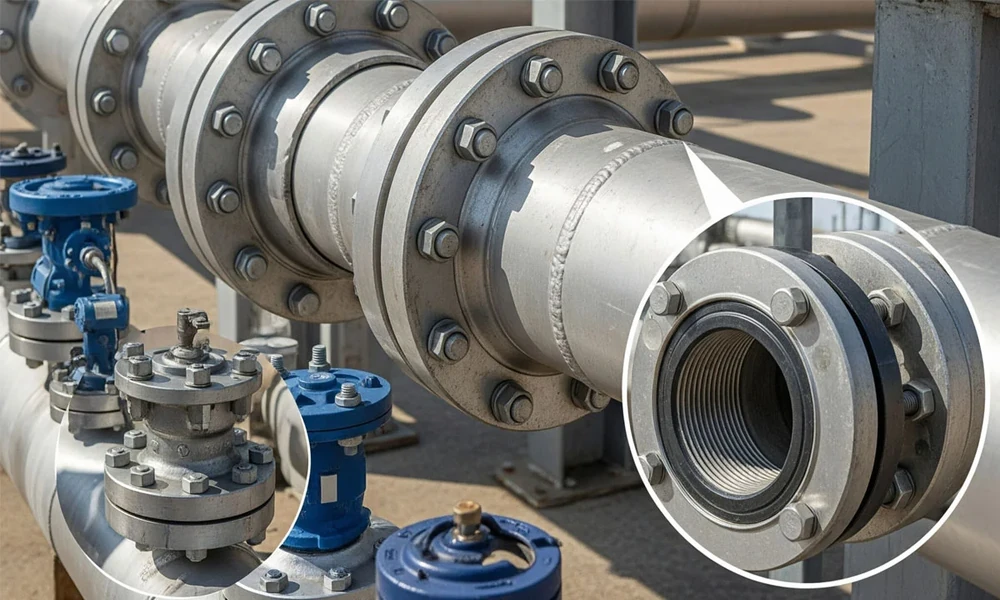
Equipment failures rarely start with major components. Small connection points often create larger operational risks. Within processing plants, offshore rigs, and transmission networks, flange quality now receives closer attention. Pressure levels continue rising across newer installations, while service conditions remain harsh. For this reason, the oil and gas flange has become a critical consideration during facility design, maintenance planning, and equipment upgrades.
Rising Performance Expectations Across Energy Infrastructure
Energy facilities face constant mechanical stress. Extreme temperatures create expansion challenges. Corrosive media affects connection integrity over time. Under such conditions, standard components may lose effectiveness sooner.
Plant operators seek longer operating cycles today. Shutdown costs remain substantial across production environments. Stronger flange designs help maintain sealing reliability. As a result, procurement teams increasingly prioritize performance specifications before purchase decisions.
Why Are Material Choices Receiving Greater Attention?
Material selection influences operational lifespan directly. Carbon steel suits certain applications well. Yet aggressive processing environments require stronger alternatives.
Duplex alloys handle corrosion exposure effectively. Nickel-based grades resist chemical attack better. Refining units processing sour hydrocarbons often benefit from these materials. Extended service intervals create measurable cost advantages across large facilities.
Key selection considerations include:
- Pressure ratings during peak loads
- Corrosion resistance against process fluids
- Temperature stability under thermal cycling
- Maintenance accessibility requirements
Sealing Reliability Shapes Operational Decisions
Leak prevention remains a major operational priority. Even minor seepage creates safety concerns. Product loss carries financial implications. Regulatory scrutiny adds further pressure.
In critical transfer systems, the oil and gas flange plays a direct role. Proper machining improves gasket seating accuracy. Better alignment reduces uneven loading across sealing surfaces. Those factors strengthen connection integrity during continuous operation.
What Features Distinguish High-Performance Designs?
Engineering improvements extend beyond stronger metals. Manufacturing precision now matters greatly. Dimensional accuracy affects assembly quality from installation onward.
Important performance features include:
- Enhanced sealing surface geometry
- Improved bolt load distribution
- Tighter machining tolerances
- Greater fatigue resistance capability
- Reduced susceptibility during vibration
Field engineers often observe fewer maintenance interventions where these design elements exist.
Offshore Projects Push Performance Requirements Further
Saltwater exposure accelerates material degradation rapidly. Equipment replacement becomes difficult offshore. Transportation logistics increase operational expenses.
For this reason, component durability receives significant attention.
- Extended service intervals
- Lower inspection frequency
- Strong resistance against pitting
A subsea connection failure can trigger costly interruptions. Durable flange systems help reduce such operational vulnerabilities.
Questions Operators Frequently Ask
Do higher-grade flanges justify additional cost?
Yes. Longer service life often offsets procurement expenses. Reduced downtime strengthens financial value.
Are advanced materials necessary everywhere?
No. Application conditions determine material requirements. Matching specifications remains essential.
Why does machining quality matter?
Surface precision influences sealing effectiveness directly. Better contact improves connection reliability.
Keeping Energy Systems Running Smoothly
Throughout offshore installations and refining operations, flange quality influences much more than system connectivity. A precision-engineered sealing surface combined with corrosion-resistant construction can withstand years of fluctuating pressures and challenging service conditions. As facilities push equipment harder than ever, dependable flange connections remain a vital yet often overlooked factor in maintaining safe, uninterrupted production. Regular equipment inspections and condition assessments also play an important role in identifying potential issues before they lead to unexpected failures. Facilities seeking advanced turbine and rotating equipment evaluation services can click here to learn more.
